

What headaches take from you
Recurring headaches, pressure at the base of the skull or behind the eyes, and constant neck tension wear on more than your head. They chip away at your focus at work, your patience, and your ability to be present with the people you love. Many people we see have tried several things and simply want a clear evaluation and a plan they understand.
Not all headaches are the same
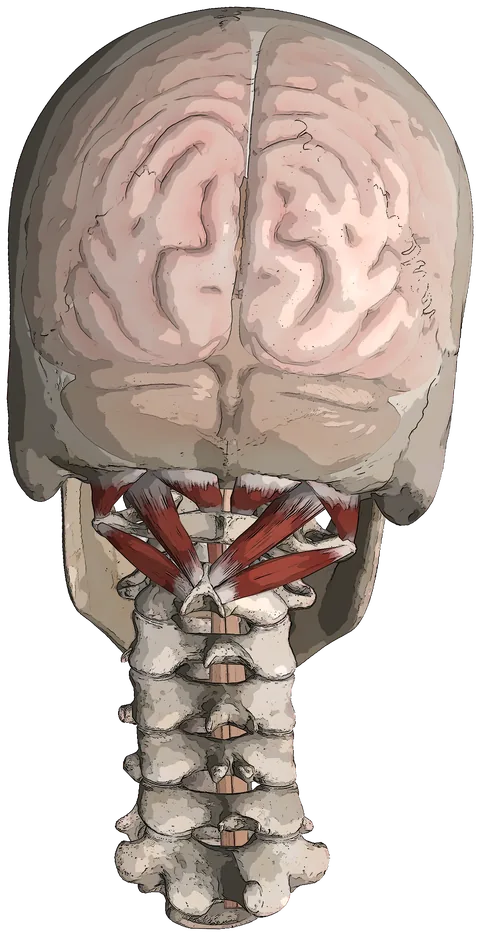
Headaches have many causes. Some are linked to the neck and the muscles and joints around it — often called cervicogenic headaches. Others, like tension-type headaches and migraine, involve different mechanisms and often have several contributing factors, including sleep, stress, hormones and medication use.
That’s why we start with a thorough history and examination rather than a one-size-fits-all routine.
How we can help
During your evaluation, Dr. Reid looks at how your neck moves, how your upper neck and shoulders respond to examination, your posture and balance, and the pattern of your headaches. If he believes your headaches have a neck-related component, care may include:
- Specific upper cervical adjustments, using Knee Chest or side-posture toggle positions
- Adjustments to the mid back or other areas when the exam shows they’re needed
- Simple exercises for neck strength and posture
- Practical guidance on sleep position, desk setup, and daily habits
We’ll recommend a plan with clear checkpoints, so you can see whether things are actually changing.
About migraine
We’ll be honest with you: research on chiropractic care for migraine is mixed. Some people with migraine also have neck pain and tension and find that addressing it helps them feel and function better. Well-controlled trials have not shown that spinal manipulation prevents migraine better than a sham treatment. Chiropractic care is not a cure for migraine.
If you have migraine, we’re happy to evaluate your neck and help where we can — ideally alongside your primary care provider or neurologist, not instead of them.
Get medical care right away for a sudden, severe (“worst ever”) headache; a headache with fever and stiff neck, confusion, weakness, numbness, trouble speaking, or vision loss; a headache after a head injury; or a new headache pattern after age 50. These need prompt medical evaluation.
What to expect
Your first visit focuses on understanding your headaches and examining you. Dr. Reid will explain what he finds and what he recommends before any care begins. Read about your first visit →